
Why Mold and Mildew Form on Pavers in Coastal Florida
Venice homeowners enjoy warm weather, outdoor gatherings, and year-round coastal living—but these same conditions make paver surfaces more vulnerable to mold and mildew. High humidity, frequent rain, shaded areas, and the natural dampness of Florida’s Gulf Coast create the perfect environment for organic buildup. Over time, this can make pavers look dull, slippery, and uneven.
Understanding why mold appears is the first step to keeping your outdoor spaces looking clean and welcoming. Moisture often lingers between paver joints, under patio furniture, or in areas without steady sunlight. Organic particles like leaves, pollen, and dirt settle into those spaces, feeding mold growth. Even beautifully installed patios or driveways will need routine care in a climate as humid as Venice.
Homeowners who want long-lasting outdoor spaces often turn to trusted local professionals for guidance. Exploring solutions with a knowledgeable team such as Manasota Flooring can help you understand which steps will keep your pavers looking their best through every season.
Early Signs of Mold and Mildew on Paver Surfaces
Catching mold early makes maintenance easier and protects your pavers from long-term staining. The most common signs include subtle colour shifts or damp-looking patches that don’t dry as quickly as the surrounding area.
Dark or Greenish Spots
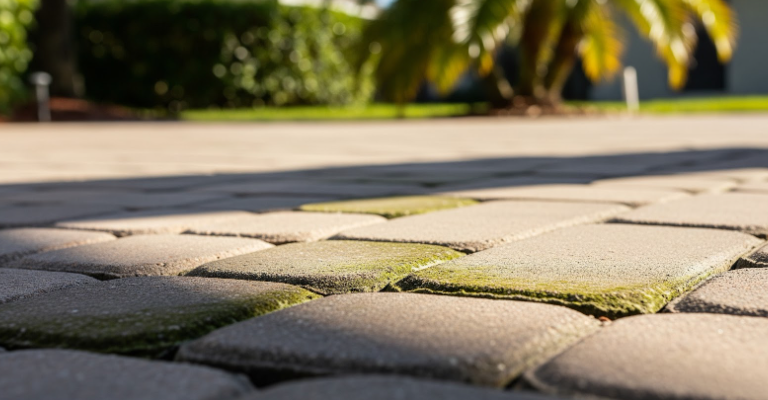
Shaded areas or spots with poor airflow may develop faint green, brown, or charcoal patches—early indicators that mold is starting to form.
Paver Surfaces Becoming More Slippery
If your pavers feel slick when you walk across them, even when dry, this usually points to moisture retention and organic buildup.
Musty Odours After Rain
A slightly musty smell after a rain shower often signals mildew beginning to take hold in the joints or on textured surfaces.
Discolouration Between Paver Joints
Mold thrives in the small spaces where debris collects. If the joints darken or appear mossy, it’s time for a deeper cleaning.
How Coastal Weather Shapes Mold Growth in Venice
Coastal climates play a major role in how pavers age. Venice’s warm air and salty breezes create stunning outdoor living conditions—but they also fuel mold and mildew growth if surfaces go untreated.
High Humidity All Year
Moisture clings to outdoor surfaces longer in coastal areas. Pavers stay damp after rain or morning dew, giving mold more opportunities to spread.
Frequent Rainfall
Regular storms can wash debris into paver joints, where it becomes trapped. This organic material helps mold grow faster.
Salt and Mineral Exposure
Salt in the air can affect the surface of certain paver materials, making them retain moisture. That extra dampness becomes an ideal environment for mildew.
Shaded Outdoor Areas
Overhanging trees or nearby structures reduce sunlight exposure. Since sunlight naturally dries surfaces, these shaded zones require more routine cleaning.
Best Prevention Methods for Mold and Mildew on Pavers
Preventing mold is easier than removing it, and a few simple habits keep your pavers looking clean, bright, and safe. These steps help maintain outdoor spaces without adding unnecessary work to your routine.
Regular Sweeping and Debris Removal
Leaves, twigs, pollen, and soil feed mold growth. A quick sweep each week prevents organic buildup from settling into paver joints and textured surfaces.
Rinsing After Rainy Weeks
A simple hose rinse helps wash away debris before it dries. This step is especially helpful after long stretches of rainy or humid weather.
Improve Airflow Around the Patio
Trim back shrubs or branches that create too much shade. Better airflow increases drying time and reduces moisture pockets.
Address Drainage Issues
Standing water is one of the biggest contributors to mold. If your patio or driveway collects puddles, improving drainage will make a noticeable difference.
Cleaning Techniques That Keep Pavers Fresh
Even with good maintenance, pavers eventually need a deeper clean. Thankfully, many cleaning methods are homeowner-friendly and support long-term outdoor beauty.
Mild Cleaners for Routine Refreshing
Most pavers respond well to gentle, non-abrasive cleaning solutions. These products lift surface grime without damaging the protective layer or colour.
Soft Brushing for Stubborn Spots
A soft-bristled brush works well on textured pavers or areas with early signs of mildew. This helps protect the surface while still removing buildup.
Rinsing With Adequate Water Pressure
Standard hose pressure is often enough to remove loosened residue. Avoid overly aggressive pressure settings, as they may disturb joint sand or scratch the paver finish.
Annual Deep Cleaning for Busy Outdoor Spaces
Driveways, lanais, and pool decks generally benefit from an annual refresh. This keeps surfaces looking polished and prevents mold from taking root again.
Paver Sealing: Your Strongest Defense Against Mold
Sealing creates a protective barrier that resists moisture absorption and makes routine cleaning easier. Venice homeowners often choose sealants because they enhance longevity and preserve colour.
Helps Prevent Moisture Penetration
A high-quality sealant reduces how much water enters the paver surface, limiting mold growth at its source.
Protects Colour and Finish
Sealants help maintain the natural beauty of your pavers, reducing fading from sunlight and wear.
Makes Future Cleaning Easier
With a sealed surface, debris and moisture sit on top of the tile rather than sinking in—cutting down on long cleaning sessions.
Ideal for Pool Decks and High-Traffic Areas
Outdoor areas exposed to splashing, wet feet, or frequent use get extra protection from sealing, reducing long-term upkeep.
Choosing the Right Pavers to Reduce Mold Risk
Selecting the right paver material helps minimise mold problems from the start. Certain textures, densities, and finishes manage moisture more effectively.
Dense Porcelain Pavers
Outdoor-rated porcelain absorbs very little water, making it naturally resistant to mold and mildew.
Textured Concrete Pavers
Quality concrete pavers with durable textures dry more quickly and hold up well against outdoor wear.
Lighter Colours for Sun Exposure
Lighter pavers reflect heat, helping them dry faster after rain or morning dew.
Joint Sand That Supports Drainage
Polymeric sand, when installed correctly, discourages weeds and prevents organic buildup between pavers.
Where Venice Homeowners Can Explore Paver Solutions
Keeping your pavers clean and mold-free doesn’t have to feel overwhelming. Many homeowners find it helpful to compare textures, colours, and maintenance options with local experts who understand Venice’s climate. Midway through planning or cleaning, browsing a curated range of paver options can be especially useful—and exploring pavers in Florida gives you a clear sense of which materials perform best along the Gulf Coast.
If you’d like help choosing the right pavers, want advice on sealing, or need guidance on long-term care, you can always reach out to us for friendly, supportive assistance tailored to coastal living.


