

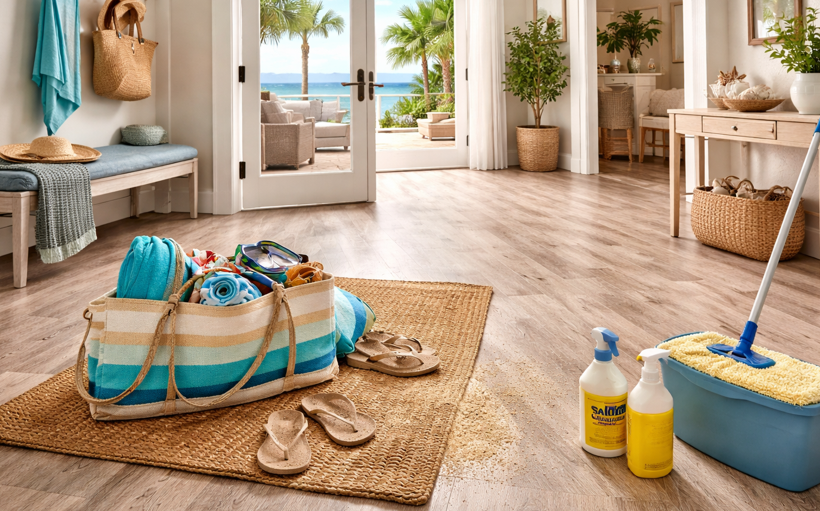
Keeping Coastal Floors Looking Beautiful Year-Round
Living near the coast in Venice, FL offers incredible lifestyle benefits—sun, sand, and sea just steps away. But while beach living is enjoyable, it also brings unique challenges for your home’s flooring. Sand tracked indoors, salt residue from ocean air, and constant moisture can gradually impact even the most durable surfaces.
That’s where Luxury Vinyl Tile (LVT) stands out. Known for its durability, water resistance, and stylish appearance, it’s a popular choice for coastal homes. Still, even high-performance flooring benefits from the right care and maintenance approach.
At Manasota Flooring, homeowners across Venice, Sarasota, and Bradenton rely on expert guidance to keep their floors looking their best in coastal conditions. With the right habits and a few smart strategies, your LVT floors can maintain their beauty and performance for years.
This guide walks you through practical ways to protect your flooring from sand, salt, and moisture—so your home stays clean, comfortable, and effortlessly stylish.
Why Coastal Conditions Affect Your Flooring
Beachside living introduces elements that naturally make their way indoors. Understanding how these factors interact with your floors helps you manage them more effectively.
Sand: Small Particles, Big Impact
Sand might seem harmless, but over time, it can act like fine grit underfoot. When walked across flooring, it can gradually wear down the surface layer.
Causes subtle scratching
Reduces long-term finish clarity
Builds up in entry areas
Salt: The Invisible Residue
Salt carried in on shoes or through humid air can leave behind a residue that affects both appearance and cleanliness.
Leaves dull spots or streaks
Attracts moisture from the air
Can make floors feel slightly sticky
Moisture: A Constant Coastal Factor
Humidity and damp conditions are part of everyday life in Venice. While LVT handles moisture well, ongoing exposure still requires proper care.
Increased surface residue buildup
Potential for mould in surrounding areas
More frequent cleaning needs
Understanding these factors is the first step toward maintaining a clean, polished look indoors.
Why Luxury Vinyl Tile Is Ideal for Venice Beach Homes
Before diving into protection strategies, it’s helpful to understand why LVT performs so well in coastal environments.
Built for Moisture Resistance
Unlike traditional hardwood, LVT is designed to handle moisture without warping or swelling. This makes it a reliable option for beachside homes where humidity is part of daily life.
Durable Surface Layer
LVT features a protective wear layer that resists scratches and everyday wear, helping it stand up to foot traffic and sand.
Stylish and Versatile Design
From wood-look finishes to modern stone styles, LVT offers a wide range of design options that complement coastal interiors beautifully.
If you’re exploring options for luxury vinyl flooring, it’s easy to see why so many Venice homeowners choose it for both function and style.
Preventing Sand from Damaging Your Floors
The best way to deal with sand is to stop it before it spreads throughout your home.
Create a Smart Entry Setup
Your entryway plays a major role in controlling how much sand reaches your floors.
Place durable mats at all entrances
Use both outdoor and indoor mats for added protection
Choose textured surfaces that trap debris effectively
Encourage a Shoes-Off Routine
A simple habit can make a noticeable difference. Keeping shoes near the entrance helps reduce how much sand is carried inside.
Regular Sweeping or Vacuuming
Frequent cleaning prevents buildup that could lead to surface wear.
Use a soft-bristle broom or vacuum designed for hard floors
Focus on high-traffic areas like entryways and living spaces
These small steps go a long way in preserving the look of your flooring.
Managing Salt Residue in Coastal Homes
Salt isn’t always visible, but it can still impact your floors if left unchecked.
Wipe Down Floors Regularly
A light, consistent cleaning routine helps remove residue before it builds up.
Use a damp mop with a gentle cleaning solution
Avoid leaving excess moisture behind
Focus on High-Exposure Areas
Entryways, patios, and areas near sliding doors are more likely to collect salt.
Clean these areas more frequently
Check for dull spots or buildup
Keep Air Circulation in Mind
Proper airflow helps reduce the amount of salt-laden moisture that settles on surfaces.
Use ceiling fans or ventilation
Open windows when conditions allow
Controlling Moisture for Long-Term Performance
Even though LVT is water-resistant, managing moisture levels helps maintain a cleaner and more comfortable environment overall.
Use Rugs in Key Areas
Placing rugs in high-moisture zones can help absorb excess water.
Entryways
Kitchens
Areas near outdoor access points
Clean Up Spills Promptly
Quick attention keeps surfaces looking their best and prevents residue from forming.
Maintain Indoor Humidity Levels
Balanced indoor humidity supports both your flooring and overall home comfort.
Use air conditioning or dehumidifiers
Keep humidity levels consistent
Simple Cleaning Habits That Make a Big Difference
Consistency is key when maintaining LVT in a coastal home.
Daily and Weekly Maintenance
Sweep or vacuum regularly
Mop lightly as needed
Focus on areas with the most activity
Choosing the Right Cleaning Products
Use products designed for LVT surfaces
Avoid harsh chemicals that can dull the finish
Keeping It Easy and Manageable
The goal is a routine that feels simple and sustainable—keeping your floors looking polished without adding extra effort to your day.
Protecting High-Traffic Areas from Wear
Some areas naturally experience more use than others. Giving these spaces a bit of extra attention helps maintain overall floor quality.
Entryways and Hallways
These are the first points of contact for sand and moisture.
Add protective mats
Clean more frequently
Living and Dining Areas
Furniture and daily activity can contribute to wear.
Use felt pads under furniture
Rearrange occasionally to distribute use evenly
Outdoor Access Points
Sliding doors and patio entrances often bring in coastal elements.
Keep these areas clean and dry
Consider additional floor protection if needed
Avoiding Common Mistakes in Coastal Floor Care
A few simple adjustments can help you avoid issues down the line.
Using Too Much Water
While LVT handles moisture well, excessive water can leave streaks or residue.
Skipping Regular Maintenance
Letting sand or salt build up over time can affect the floor’s appearance.
Overlooking Entry Areas
Ignoring these zones often leads to more cleaning throughout the rest of the home.
Creating a Low-Maintenance, Coastal-Friendly Home
Protecting your flooring doesn’t have to feel complicated. With a few thoughtful habits and a consistent approach, you can keep your home looking fresh and inviting all year long.
Luxury Vinyl Tile offers a balance of durability and style that fits perfectly with Venice’s coastal lifestyle. When paired with the right care routine, it becomes a long-lasting foundation for your home’s design.
If you’re considering upgrading your flooring or want expert advice tailored to your space, reach out to us to explore options that suit your lifestyle and needs.


